


Dementia is a term that can send chills down anyone’s spine. It’s a condition that affects millions worldwide, often starting slowly, making it difficult to recognize in its earliest stages. But spotting the signs early on is crucial, as it can lead to better outcomes, more supportive care, and proactive treatment. If you’ve been Googling “4 warning signs of dementia (#2 is scary)”, you’ve probably come across something that made you wonder: could this be happening to me or a loved one?
In this post, we’re going to break down the 4 key warning signs of dementia, with a special focus on why the second one is particularly alarming. These signs may sound familiar, but don’t ignore them. Recognizing them early can make all the difference.
Table of Biography (Detailed Information for the Keyword “4 Warning Signs of Dementia (#2 is Scary)”):
| Topic | Details |
|---|---|
| Keyword | 4 Warning Signs of Dementia (#2 is Scary) |
| Search Intent | Informational with a sense of concern or anxiety about the early stages of dementia. |
| Common Symptoms of Dementia | Memory loss, difficulty with everyday tasks, mood swings, and communication issues. |
| Focus on #2 | The second warning sign (difficulty with familiar tasks) is especially alarming as it signifies potential loss of independence. |
| Emotional Tone | Anxious, worried, but informative; designed to alleviate concerns by offering guidance and early intervention tips. |
| Target Audience | Individuals concerned about dementia in themselves or a loved one, caregivers, people looking for signs of early dementia. |
| Subtopics | – What are the first signs of dementia? – Why difficulty with daily tasks is alarming – When mood swings signal dementia – How language and communication problems point to cognitive decline. |
| Statistics (2024-2025) | – Over 50 million people globally living with dementia (Alzheimer’s Disease International). – Early detection can improve life quality. – Prevalence of dementia expected to rise as the global population ages. |
| Research & Developments | Studies into early dementia biomarkers, imaging tests, and genetic factors. Increased focus on lifestyle factors and prevention. |
| Top Competitor Websites | – Alzheimer’s Association (alz.org) – Mayo Clinic (mayoclinic.org) – NHS (nhs.uk) – Alzheimer’s Society (alzheimers.org.uk) |
| Long-Tail Keywords | 4 early warning signs of dementia, dementia red flags, dementia initial signs, early dementia symptoms. |
| Featured Snippets | Focuses on dementia warning signs, particularly the early stages that people should be aware of for timely intervention. |
| Potential for AI Image | Visuals that depict the early warning signs of dementia, with emphasis on the scary #2 sign (difficulty with daily tasks). |
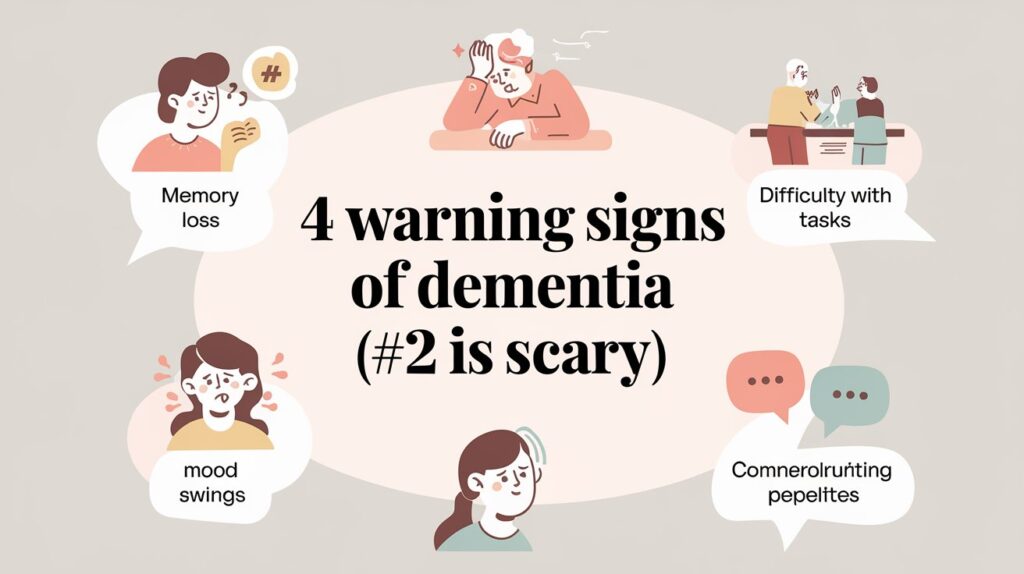
Memory Loss: The Classic First Sign
Let’s start with the most obvious: memory loss. It’s the hallmark sign we often associate with dementia. But here’s the thing—forgetting names, misplacing things, or even forgetting appointments can happen to anyone, especially as we age. So, how do you know if it’s something more serious?
Memory loss related to dementia isn’t just about forgetting where you left your keys. It’s about forgetting things that are normally easy to recall—like the name of your spouse or a close friend. People with early-stage dementia might forget recent conversations or events, and it can happen regularly, rather than just occasionally.
For example, imagine a loved one repeatedly asking the same question about the same event, even though you’ve answered it multiple times. It’s frustrating, confusing, and may seem small at first—but it can be an early sign that something is amiss.
Difficulty With Everyday Tasks: The “Scary” Sign
Now, here’s where things can get a little unsettling: difficulty with familiar tasks. This is the one that often makes people think, “Is this dementia?” and yes, it is. At first glance, it may seem like an innocent slip-up. But for someone in the early stages of dementia, this type of problem can become more frequent and concerning.
It might start with someone struggling to cook a familiar recipe, forgetting how to balance their checkbook, or getting lost in a place they’ve visited countless times. Tasks that used to be second nature become confusing or overwhelming. And this is where the second sign can feel “scary.” It’s one thing to forget things, but it’s another to lose the ability to perform daily activities that once felt effortless.
Take the example of a person who’s been knitting for years and suddenly can’t remember how to follow a pattern. Or, imagine someone who used to excel at solving puzzles but now can’t complete even the simplest one. These situations can make dementia feel all the more real—and alarming. It’s important to address this sign early, as it can affect the person’s independence and quality of life.
Mood Swings and Personality Changes
Dementia isn’t just about memory and cognitive functions—it can also have a profound impact on mood and personality. Someone who has always been calm and even-tempered might suddenly become agitated, anxious, or depressed. These changes may not seem directly related to memory loss, but they’re a significant red flag.
In fact, drastic shifts in mood can often accompany the early stages of dementia. A person may seem confused about their emotions, exhibit out-of-character behavior, or even become withdrawn and less interested in things they once enjoyed. For instance, a normally social individual may begin avoiding social gatherings or showing signs of paranoia.
One particularly alarming mood change is when someone exhibits an intense fear of being left alone, even for short periods. This can lead to anxiety-driven behaviors that might confuse family and friends. The emotional side of dementia is just as important as the cognitive side, and recognizing these shifts early can help get the person the support they need.
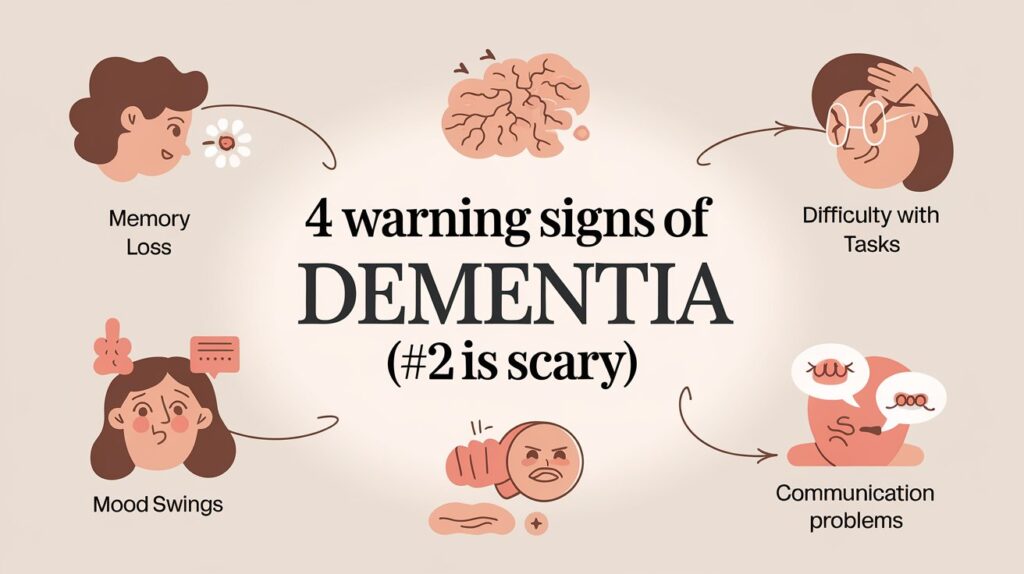
Difficulty With Communication: Struggling to Find the Right Words
Finally, there’s the challenge of communication. People with dementia often have trouble finding the right words to express themselves. They might say something that doesn’t make sense or repeat the same phrase over and over again without realizing it. They may also struggle to follow or join in on a conversation, as they can’t keep up with the flow of words.
This can be one of the most isolating signs of dementia. Imagine trying to have a conversation with a loved one, only to realize they’re no longer able to express themselves in the way they once could. They might understand what’s being said to them, but they can’t quite make the words come out right. It’s a painful and frustrating experience—for both the person affected and their loved ones.
If someone you care about is beginning to forget simple words or phrases, or if they seem to be having difficulty understanding language altogether, it’s time to take note. Early intervention and speech therapy may help mitigate these communication difficulties.
Why #2 is So Alarming: The Loss of Independence
When it comes to the second warning sign—difficulty with everyday tasks—it’s particularly frightening because it often means a loss of independence. For most of us, being able to take care of ourselves, our home, and our finances is a basic part of life. When that’s taken away by dementia, it can be a huge emotional and psychological burden, not only on the individual but also on their caregivers.
Imagine a scenario where a person can no longer drive safely or manage their own finances. These changes can bring a sense of fear and helplessness, both for the person affected and their family. This loss of autonomy is one of the hardest aspects of dementia, and it’s why many families are understandably terrified when they notice it happening.
However, recognizing these signs early can make all the difference. A diagnosis at the early stages can help the person get the care and support they need to preserve as much independence as possible for as long as possible.
What You Can Do
If you’re concerned that you or a loved one might be experiencing the early signs of dementia, don’t wait. Early detection is key, and it can help manage the condition more effectively. Here are a few steps to take:
- Consult a doctor: Speak to a healthcare provider about any signs or symptoms. They may recommend tests or evaluations to get a clearer picture.
- Make lifestyle changes: Keeping the brain healthy through physical activity, social engagement, and a balanced diet can help slow the progression of dementia.
- Seek support: Whether it’s from family, friends, or a caregiver support group, there are resources to help you navigate dementia’s challenges.
Final Thoughts
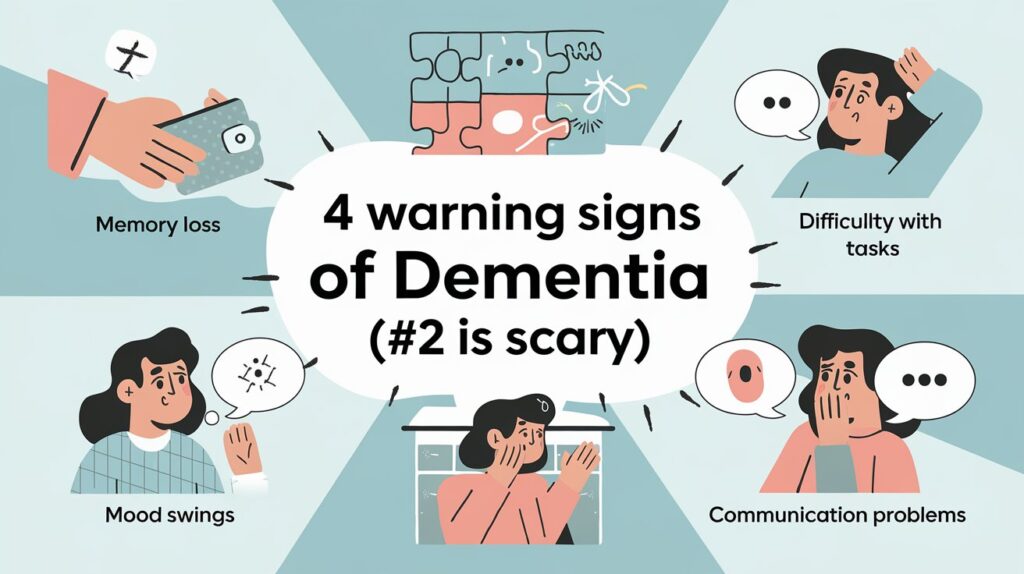
Dementia can be a terrifying reality, especially when faced with the possibility of losing memories and abilities that were once so central to who we are. By recognizing the warning signs—like memory loss, difficulty with daily tasks, mood swings, and communication issues—you can take proactive steps to ensure that the person affected receives the care and support they need.
Remember, the second warning sign—the loss of independence—is particularly concerning because it represents a dramatic shift in how we live. If you notice it happening, don’t be afraid to act. The sooner you intervene, the more likely it is that the person affected can maintain a good quality of life.
So, keep an eye out for these signs, and don’t let fear paralyze you. Recognizing dementia early can lead to better outcomes for everyone involved.

