

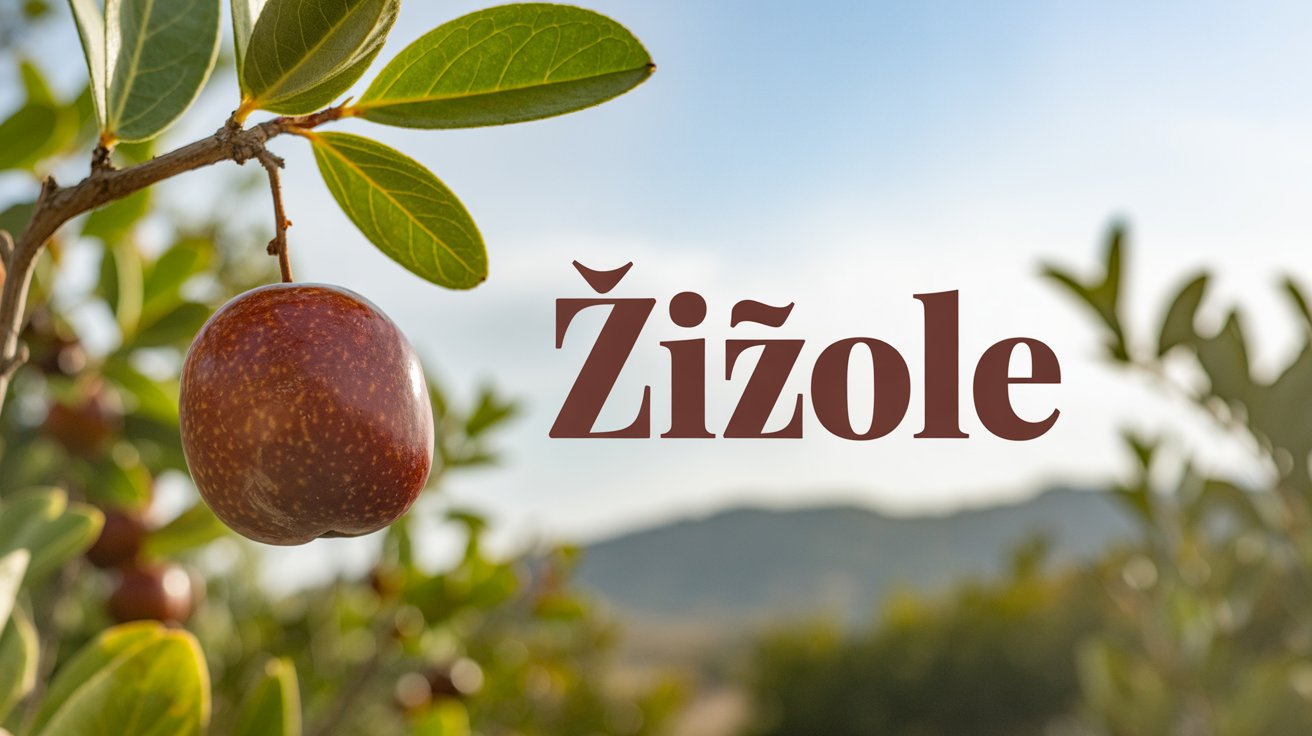
Have you ever heard of žižole? If you’re from Croatia, especially regions like Istria and Dalmatia, you’re likely familiar with this unique fruit. But for many, žižole might be a delightful discovery. Often referred to as jujube, Chinese date, or red date, this fruit boasts a rich history and a plethora of benefits waiting to be explored.
Table of Biography for Žižole
| Category | Details |
|---|---|
| Common Name | Žižole, also known as Jujube, Chinese Date, Red Date |
| Scientific Name | Ziziphus jujuba |
| Origin | China, over 4,000 years ago |
| Regions Found | Mediterranean regions, Istria and Dalmatia in Croatia |
| Appearance | Oval or round-shaped fruit, ranging from the size of a cherry to a plum |
| Color of Fruit | Green when unripe, turning reddish-brown or purple when ripe |
| Taste | Sweet and crisp when fresh, chewy and sweet like dates when dried |
| Health Benefits | – Rich in Vitamin C for immune support and skin health – High in dietary fiber for digestive health – Packed with potassium, calcium, and iron – Antioxidants for reducing inflammation and oxidative stress – Helps improve sleep quality |
| Culinary Uses | – Fresh for snacking – Dried for a chewy treat or adding to baked goods – Teas and infusions for digestive aid – Jams and marmalades – Can be made into fruit brandy |
| Cultivation | – Grows well in Mediterranean climates – Best planted in spring – Harvested in late August to November – Yields up to 50 kg per mature tree |
| Cultural Significance | Associated with romantic folklore in some cultures, believed to make teenagers fall in love |
| Uses in Traditional Medicine | Used in traditional medicine for its sedative properties and ability to alleviate anxiety and insomnia |
| Availability | Found in Croatian markets during the harvest season, and dried form available in specialty stores worldwide |
What Exactly Is Žižole?
Žižole is the Croatian term for Ziziphus jujuba, commonly known as jujube. Originating from China over 4,000 years ago, this fruit has spread across various continents, including parts of Europe. In Croatia, it’s predominantly found in Istria and Dalmatia, where it thrives in the Mediterranean climate.
What Does Žižole Look Like?
Žižole fruits vary in shape—from round to elongated—and in size, ranging from cherry-like to plum-like dimensions. Their skin transitions from green to a reddish-brown hue as they ripen. When fresh, they offer a crisp texture reminiscent of an apple, while dried žižole become chewy and sweet, akin to dates.
Nutritional Powerhouse: Why Should You Care?
Žižole isn’t just a tasty treat; it’s packed with nutrients that can benefit your health.
What Are the Health Benefits?
- Rich in Vitamin C: Essential for immune function and skin health.
- High in Dietary Fiber: Supports digestive health and can aid in weight management.
- Packed with Minerals: Contains potassium, calcium, and iron, which are vital for various bodily functions.
- Antioxidant Properties: Helps combat oxidative stress and inflammation.
- Natural Sleep Aid: Traditionally used to improve sleep quality.
Culinary Uses: How Can You Enjoy Žižole?
Wondering how to incorporate žižole into your diet? Here are some ideas:
1. Fresh Enjoyment
Simply wash and bite into a fresh žižole for a crisp, sweet snack.
2. Dried Delights
Dried žižole make for a chewy, date-like treat. They’re perfect for snacking or adding to baked goods.
3. Teas and Infusions
Steep dried žižole in hot water to create a soothing tea. This beverage is believed to aid digestion and promote relaxation.
4. Jams and Marmalades
In Croatia, žižole are often transformed into jams and marmalades, capturing their sweetness in a spreadable form.
5. Beverages
Some regions craft žižole into fruit brandy, offering a unique alcoholic beverage.
Cultivation: Can You Grow Your Own Žižole?
Interested in growing žižole? Here’s what you need to know:
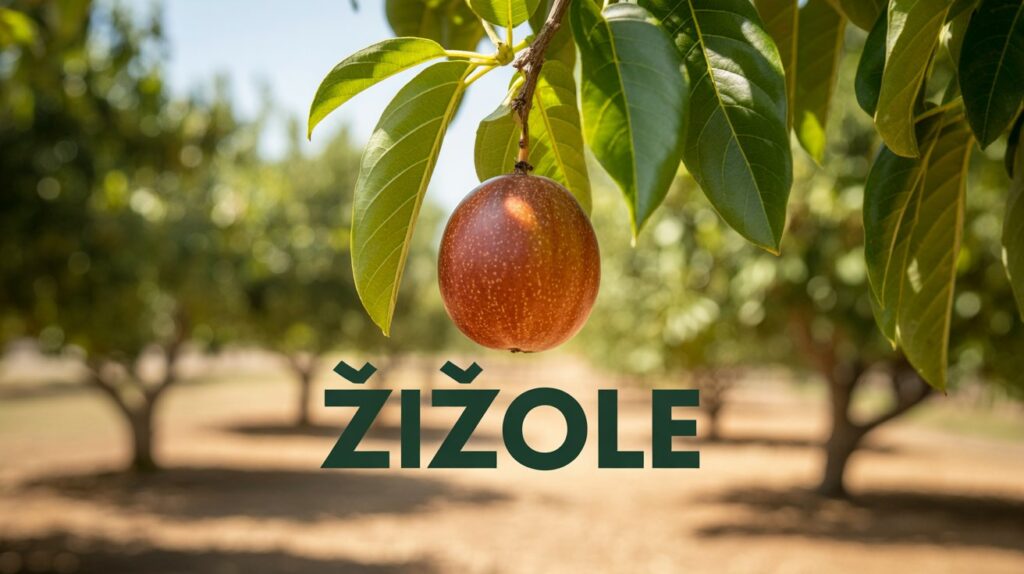
- Climate: Thrives in Mediterranean climates with hot, dry summers.
- Planting Time: Best planted in spring during bud swelling.
- Harvesting: Begins in late August and can extend into November, depending on the variety.
- Yield: Trees can produce between 18 to 50 kg of fruit annually after reaching full maturity in 4 to 5 years.
Where to Find Žižole
If you’re in Croatia, particularly in Istria or Dalmatia, žižole can be found in local markets during the harvest season. For those outside these regions, dried žižole are available online or in specialty stores that offer Mediterranean or Eastern European products.
Fun Fact: The Cultural Significance of Žižole
In some cultures, the sweet-smelling flowers of the jujube tree are believed to have the power to make teenagers fall in love. While this might be more folklore than fact, it adds a touch of romance to the fruit’s legacy.
Final Thoughts: Why You Should Embrace Žižole
Whether you’re seeking a nutritious snack, a unique ingredient for your culinary creations, or a plant to cultivate in your garden, žižole offers all that and more. Its rich history, health benefits, and versatility make it a fruit worth exploring. So, the next time you come across žižole, don’t hesitate to give it a try—you might just find your new favorite fruit.