

Auckland’s housing landscape is changing faster than most cities in New Zealand. Entire neighbourhoods shift character within decades, older homes are retrofitted for modern living, and new builds compete for space in already dense suburbs. In this environment, roofing work can’t remain static. It has to evolve in response to architectural styles, building regulations, climate considerations, and shifting homeowner expectations.
Advance Roofing has quietly adjusted its methods over the years to meet these pressures. Their work reflects a city in transition a mix of old and new, tradition and innovation. Understanding how they adapt helps illustrate what modern roofing demands in Auckland today.
Older Homes Require a More Nuanced Approach
Much of Auckland’s housing stock is aging. Villas, bungalows, 70s weatherboard homes, and early brick structures all present distinct roofing challenges.
Older roofs often come with:
- weakened framing
- out-of-square roof geometry
- outdated underlay
- timber swelling or shrinkage
- mixed layers of previous repairs
Teams like Advance Roofing adapt by approaching older homes as individual cases rather than applying one standard method. They often assess framing movement, account for non-standard pitch, and prepare for structural surprises beneath the surface.
Roofing these homes is less about replacing material and more about respecting the building’s history while strengthening it for modern conditions.
New Developments Demand Speed Without Sacrificing Quality
Auckland’s new subdivisions tend to prioritise efficiency. Builders want roofing teams to move quickly so the project can progress to the next stage.
But speed usually introduces risk: rushed flashing installation, inconsistent fixings, and insufficient ventilation planning.
Advance Roofing has adapted by refining workflows that allow for:
- efficient material staging
- coordinated timing with builders
- streamlined installation sequences
- clear communication during rapid project phases
This lets them keep pace with the demands of large developments while maintaining the detail-focused approach that roofing longevity requires.
As the demand for skilled roofers grows, many Auckland homeowners look to Advance Roofing because consistency matters as much as speed in an increasingly fast-moving market.
Architectural Shifts Are Changing Roofing Expectations
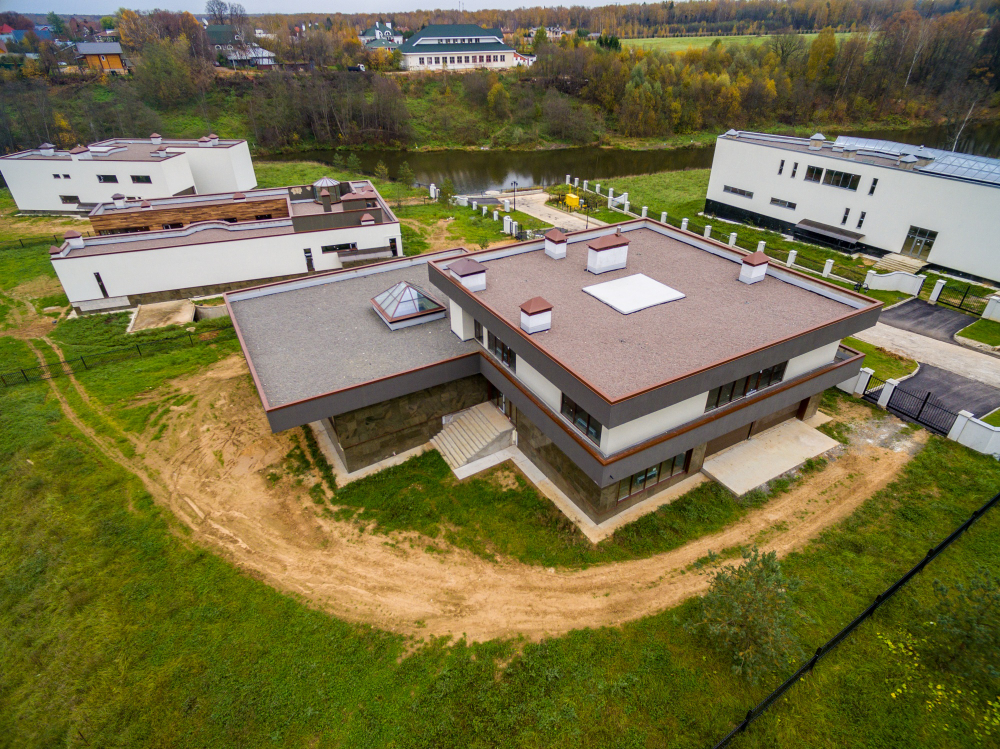
Auckland’s newer homes often feature:
- low-pitch rooflines
- longer spans
- bold steel profiles
- exposed edges
- large skylights
- mixed-material transitions
These designs require different roofing techniques than traditional steep-pitch homes.
Advance Roofing adapts by focusing on:
- specialised flashing details for low-pitch areas
- improved water-runoff management
- careful planning around skylight placement
- expansion considerations for long metal sheets
Modern architecture demands that roofing becomes part of the design language, not just a weather barrier. Roofers now need to interpret design intent not simply install material.
Material Preferences Are Evolving With Homeowner Priorities
Auckland homeowners are increasingly prioritising:
- durability
- low maintenance
- sustainability
- climate resilience
- clean, modern aesthetics
This shift has influenced the roofing materials chosen across the region. Long-run metal profiles have become more common, while traditional tiles are being replaced during major renovations.
Advance Roofing adapts by:
- reviewing new materials as they enter the NZ market
- training teams on emerging installation standards
- aligning recommendations with environmental conditions
- offering solutions that balance cost, lifespan, and appearance
These evolving preferences shape the daily decisions roofers make onsite.
Weather Variability Requires Flexible Planning
Auckland’s weather is unpredictable. Roofing teams can’t rely on steady conditions, and rigid project schedules rarely survive contact with real weather.
To adapt, companies like Advance Roofing build flexibility into their planning:
- monitoring weather windows hour-by-hour
- staging materials strategically to avoid exposure
- protecting open areas quickly
- adjusting crew allocation across multiple sites
- maintaining communication with clients before each shift
This adaptability ensures roofs are installed safely, even when the weather shifts unexpectedly which in Auckland, it often does.
Compliance and Safety Standards Continue to Tighten
As Auckland’s building environment grows more complex, the standards roofers must meet grow stricter. Recent updates in building codes, underlay requirements, ventilation practices, and edge protection regulations mean roofers must continuously adjust.
Advance Roofing stays aligned by:
- adopting new regulatory guidance early
- integrating updated safety systems
- maintaining documentation processes
- ensuring installers understand changing compliance rules
Modern roofing isn’t just a craft; it’s a regulated technical discipline that evolves each year.
Adapting to Auckland Means Adapting to Its People
The final shift shaping roofing isn’t structural—it’s cultural. Homeowners today want explanations, transparency, photographs, and clear documentation. Roofing companies now act as educators as much as tradespeople.
This means offering:
- simple language during assessments
- clear options instead of assumptions
- straightforward communication about delays
- honest discussions about long-term maintenance
Auckland’s evolving housing market demands service as much as technical ability.
Conclusion
Auckland’s roofing needs are not static; they grow alongside the city. As older homes age, new developments expand, architectural styles shift, and weather patterns fluctuate, roofers must continually adjust their methods.
Advance Roofing’s adaptability reflects what modern roofing requires: patience with older structures, precision with new ones, awareness of emerging materials, and flexibility in the face of unpredictable conditions. In many ways, their adjustments mirror the evolution of Auckland itself, a landscape defined by change, shaped by experience, and strengthened by careful, thoughtful work.