

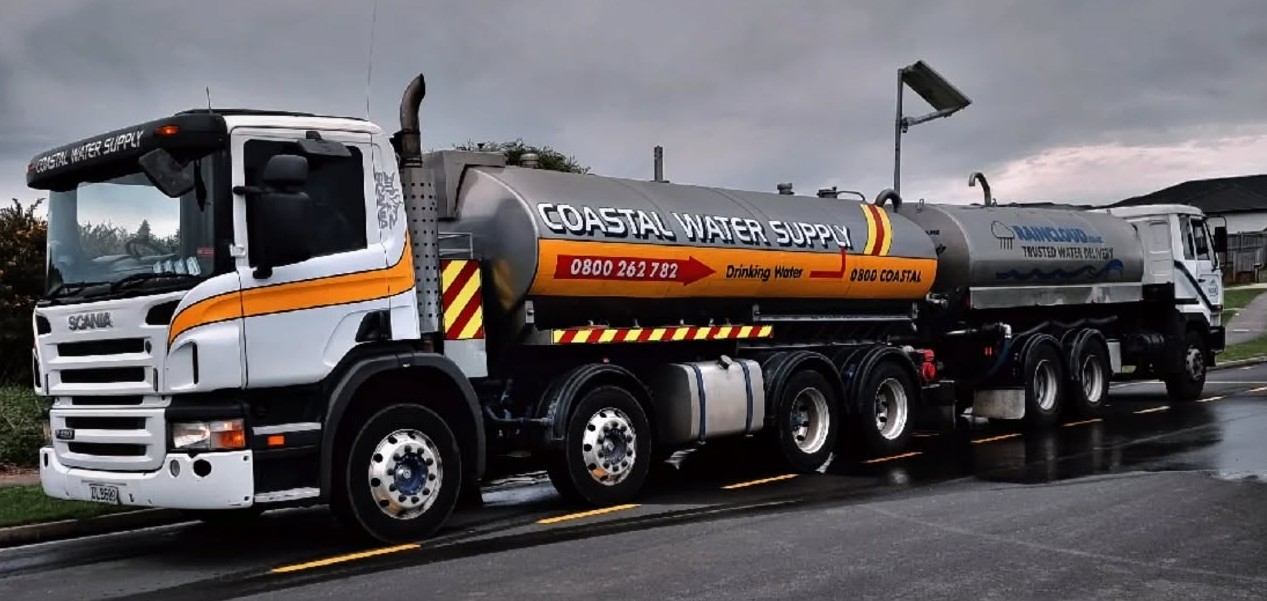
The most reliable supply chains are rarely discussed. Materials arrive when expected, systems remain stable, and operations continue without interruption. When everything works, attention shifts elsewhere. When something fails, the spotlight suddenly turns to the systems that were previously taken for granted.
Bulk liquid supply sits firmly in this unseen layer of infrastructure. Water, process liquids, and specialist fluids are rarely front-of-mind during planning meetings, yet they underpin some of the most time-sensitive and compliance-driven environments in New Zealand.
What makes these systems effective is not visibility, but predictability.
Why Invisibility Signals Reliability
In operational environments, visibility often correlates with friction. Phone calls, rescheduling, contingency planning, and reactive decisions usually indicate that something is not aligned. When bulk liquid logistics are properly designed, none of that is required.
The goal is simple: ensure liquid inputs behave like a fixed utility rather than a variable risk. That outcome depends on planning long before the first delivery is made.
This is where Essential Bulk Liquid fits naturally into critical supply chains. Its role is not to draw attention, but to remove uncertainty by aligning tanker capacity, delivery timing, access conditions, and storage requirements into a single, dependable system.
When that alignment exists, liquid supply disappears from daily operational concern.
The Hidden Dependencies Most Sites Miss
Temporary and ongoing liquid supply often fails because demand is calculated optimistically. Average usage figures are used instead of peak demand scenarios, and contingency buffers are treated as optional.
In practice, demand spikes overlap. Cleaning cycles, dust suppression, production processes, or emergency reserves can all draw from the same supply window. Without adequate planning, even short delays cascade into downtime.
Access constraints compound the issue. Tankers require safe entry, suitable turnaround space, and predictable unloading conditions. These factors are frequently underestimated during site design, then discovered too late.
Compliance That Never Becomes a Problem
Another reason effective bulk liquid systems remain unnoticed is strong compliance management. Environmental handling, discharge control, and transport standards are clearly defined in New Zealand, particularly in guidance issued by the Ministry for the Environment.
When these requirements are built into logistics planning from the outset, compliance never becomes a discussion point. When they are treated as an afterthought, they become a liability.
Why Failures Rarely Start With Transport
When liquid supply breaks down, the tanker is often blamed. In reality, transport is rarely the root cause. Failures usually originate upstream, in planning assumptions that did not account for real-world conditions.
Reliable providers design around those conditions rather than reacting to them.
Organisations that work with partners such as Essential Bulk Liquid typically experience fewer disruptions not because problems never occur, but because systems are built with enough margin to absorb them.
Final Thoughts
The most valuable supply chain systems are the ones nobody notices. Bulk liquid logistics that operate quietly in the background allow projects, sites, and facilities to function without interruption.
When planning is thorough and execution is disciplined, liquid supply becomes invisible. And in critical environments, that invisibility is a sign that everything is working exactly as it should.