

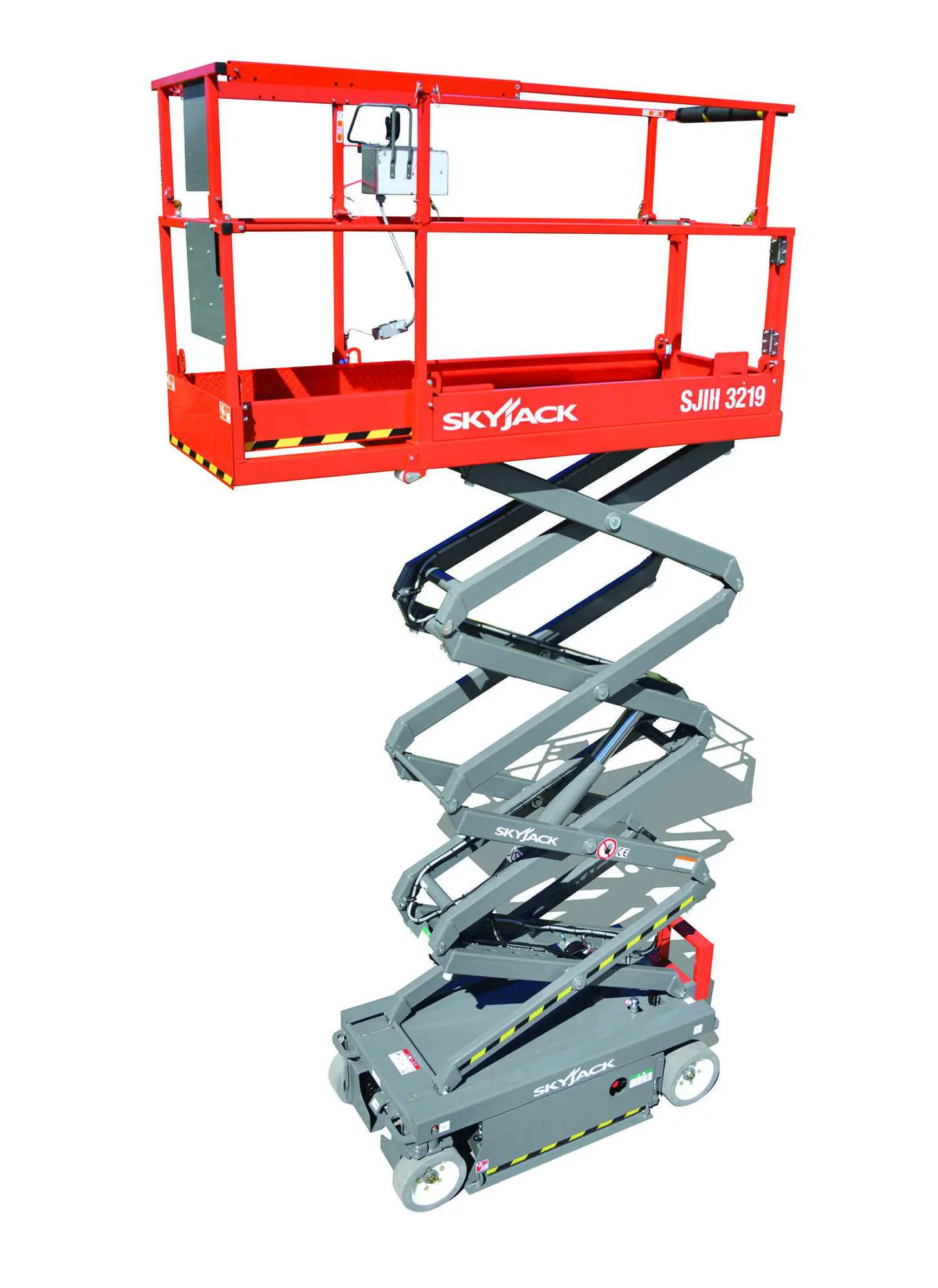
Indoor projects often look straightforward on paper. Flat floors, predictable layouts, controlled environments. Yet access decisions made early can quietly shape how smoothly the work actually runs.
Choosing the right lift is less about height alone and more about stability, platform space, and how people and materials interact once elevated. In many flat indoor settings across New Zealand, scissor lifts remain one of the most practical and misunderstood tools available.
Why Flat Indoor Environments Change the Equation
Flat indoor surfaces remove one major variable: uneven ground. That single factor opens the door to equipment that prioritises platform size and load capacity over narrow profiles or extreme manoeuvrability.
Think of it like working at a large desk instead of a ladder. Space to move, tools within reach, and a stable base all contribute to safer, faster work. Scissor lifts are designed around that principle.
Situations Where Scissor Lifts Excel Indoors
Scissor lifts are particularly well suited to:
- Ceiling grid installation and repairs
- Sprinkler and fire system work
- HVAC ducting and insulation
- Electrical fit-outs across wide areas
- Warehouse lighting upgrades
- Commercial painting and finishing
These jobs benefit from a broad working platform rather than pinpoint vertical access. That is where scissor lift for hire becomes the smarter choice, especially when multiple tools or materials need to be raised together.
Key Advantages That Matter Indoors
1. Platform Space That Improves Workflow
A larger deck allows technicians to work side by side, reposition tools easily, and complete tasks without repeated ascents and descents. Over a full shift, this reduces fatigue and improves consistency.
2. Strong Vertical Stability
On flat indoor slabs, scissor lifts offer excellent stability. With no outreach arms or offset loads, the platform rises straight up, keeping the centre of gravity predictable and controlled.
3. Higher Load Capacity
Indoor projects often involve lighting units, duct sections, cable trays, or finishing materials. Scissor lifts handle heavier loads comfortably, reducing the temptation to overload smaller access equipment.
4. Electric, Quiet Operation
Electric scissor lifts are well suited to indoor use. Low noise levels allow work during operating hours, while zero emissions protect indoor air quality.
When a Scissor Lift Is the Wrong Tool
Despite their strengths, scissor lifts are not universal. Tight corridors, narrow doorways, or cluttered plant rooms can limit access. In those cases, narrower vertical lifts or mast lifts may be more appropriate.
The key is matching the equipment to the space rather than defaulting to what feels familiar.
Safety Expectations in New Zealand Indoor Worksites
Even on flat floors, working at height introduces risk. Operators must be trained, load limits respected, and exclusion zones maintained beneath elevated platforms.
Guidance from WorkSafe New Zealand outlines expectations for mobile plant use, including pre-use checks, surface assessments, and operator awareness. Following these standards is essential for both compliance and site safety.
Planning for Active Indoor Environments
Many indoor projects take place while businesses remain operational. Warehouses continue dispatching goods. Retail spaces stay open. Office buildings remain occupied.
Scissor lifts perform best in these settings when space is available to cordon off a defined working zone. Their predictable movement and stable footprint make them easier for other workers to navigate around compared to equipment with outreach or swing radius.
Getting the Most From Hire, Not Ownership
Hiring allows access to the right lift for each project rather than forcing one machine to suit every scenario. Height range, platform size, and load capacity can be matched precisely to the task at hand.
For teams evaluating indoor access solutions, reviewing available options and specifications before committing avoids on-site compromises.
Final Thoughts
Flat indoor environments reward stability, space, and efficiency. When the surface is level and access routes are clear, scissor lifts offer a practical balance of safety and productivity that smaller platforms cannot match.
By understanding the nature of the work, the space available, and the load requirements involved, NZ professionals can make informed access decisions that keep projects moving smoothly and safely from start to finish.