

Choosing spouting often feels like a minor decision compared to roofing, cladding, or insulation. Many homeowners assume it is a simple matter of picking a style that looks tidy and fits the budget. In reality, spouting plays a critical role in how a home manages water, and poor choices here are a common reason maintenance problems keep returning.
Across New Zealand homes, many spouting issues do not come from extreme weather alone. They come from design decisions that did not fully consider roof shape, water flow, or long term performance. Understanding where people go wrong helps prevent costly mistakes later.
Mistake one: choosing spouting based on appearance alone
One of the most common mistakes is selecting spouting purely on how it looks from the street. While appearance matters, it should never be the primary factor.
Different rooflines shed water at different speeds. A steep roof can send large volumes of water into the gutter very quickly, while a low pitch roof releases water more slowly but over a wider area. Spouting that looks neat may simply not have the capacity to cope with the roof above it.
When appearance is prioritised over performance, overflow during heavy rain is often the result.
Mistake two: assuming one profile suits every roof
Another widespread assumption is that spouting profiles are interchangeable. In practice, roof shape, fascia depth, and downpipe placement all influence which profile will perform best.
Long straight roof runs place different demands on spouting than complex rooflines with multiple corners. Some profiles handle high flow volumes better, while others suit tighter architectural detailing. Ignoring these differences often leads to standing water, debris buildup, and increased wear.
This is why understanding the available Gutter Profiles Range matters. Selecting the right profile is about matching shape and capacity to how water actually behaves on the roof.
Mistake three: overlooking how water exits the system
Many homeowners focus on the gutter itself and forget that downpipes are just as important. Even well-designed spouting will fail if water cannot exit efficiently.
Poorly positioned or undersized downpipes cause water to back up along the gutter. Over time, this increases weight, stresses fixings, and leads to sagging or leaks at joins. Correct spouting selection considers the entire system, not just the visible edge.
Mistake four: underestimating New Zealand rainfall patterns
New Zealand rain is often intense and unpredictable. Short, heavy downpours can push spouting systems to their limits, especially in exposed areas.
Spouting that performs adequately during light rain may overflow during sudden storms if it lacks sufficient capacity or correct fall. Wind driven rain adds further pressure, pushing water against the intended direction of flow.
Design choices need to anticipate these conditions rather than reacting to problems after they appear.
Mistake five: accepting unnecessary joins and compromises
Every join in a spouting system is a potential weak point. Sealants age, fixings loosen, and movement over time creates small gaps.
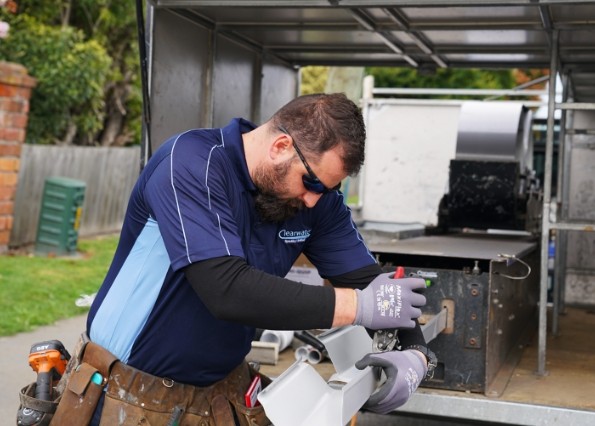
Where possible, reducing joins improves long term reliability. This is one reason many modern systems favour Continuous Spouting, as longer runs reduce the number of connection points and allow water to flow more smoothly along the roofline.
Fewer joins generally mean fewer maintenance issues down the track.
Mistake six: ignoring alignment and fall
Even the right spouting profile will struggle if alignment is poor. Small dips can trap water, increasing weight and accelerating wear. In colder conditions, standing water can also hold debris, leading to blockages.
Correct fall ensures water clears the gutter quickly after rain stops. This reduces corrosion, limits debris buildup, and extends the life of the system. Alignment should always be assessed as part of spouting selection and installation.
Why spouting choice affects more than the gutter itself
Poor spouting selection does not just affect the gutter. Overflowing water can damage fascia boards, stain cladding, and direct moisture toward foundations. Over time, this increases the risk of structural issues that are far more expensive to address.
Guidance from BRANZ consistently identifies roof water management as a key factor in protecting building durability. Getting spouting right helps control moisture before it becomes a larger problem.
How informed choices reduce long term maintenance
When spouting is chosen with roof shape, water flow, and local conditions in mind, maintenance becomes simpler. Gutters drain fully, debris clears more easily, and fixings remain stable for longer periods.
Instead of repeated repairs and adjustments, homeowners are usually left with routine inspections rather than ongoing callouts.
When expert guidance matters most
Spouting selection becomes especially important for homes with long roof runs, complex rooflines, coastal exposure, or renovations that altered the original structure. These situations magnify the consequences of poor design decisions.
Taking the time to assess roof behaviour before selecting spouting often prevents years of avoidable issues.
For homeowners wanting to explore spouting options designed around performance rather than guesswork, https://clearwaterspouting.co.nz/spouting-profiles/ provides practical insight into how different profiles suit different roof conditions.
Final thoughts
Most spouting problems start with small decisions that seemed harmless at the time. Choosing based on appearance, assuming all profiles perform the same, or overlooking water flow patterns can all lead to ongoing maintenance issues.
Selecting spouting with the roofline in mind, understanding profile differences, and planning for New Zealand’s weather conditions helps ensure the system works quietly in the background. When spouting is chosen thoughtfully, it protects not just the roof edge, but the long term health of the entire home.