

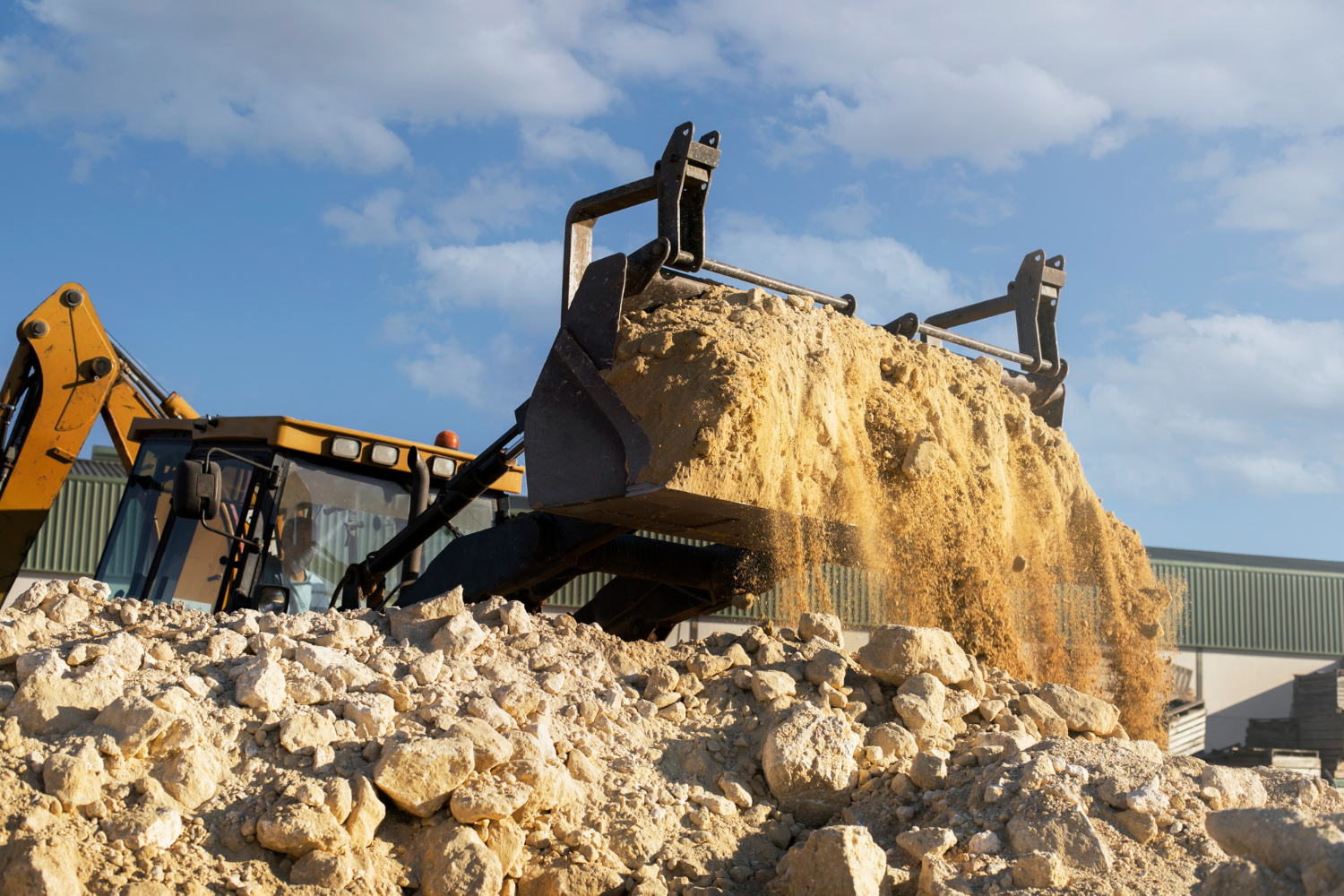
Waste has always been part of construction and infrastructure work. What has changed is how much waste moves through a site and how quickly it needs to be dealt with. In 2026, project delays are less likely to come from a lack of labour or materials and more likely to stem from poor waste flow management.
Faster shredding is emerging as one of the quiet factors reshaping how modern sites stay productive.
Waste Flow Is Now a Scheduling Issue
On many sites, waste used to be treated as something to clear at the end of a phase. Skip bins filled up, trucks were booked, and material left the site when time allowed. That approach no longer holds up on tighter programmes.
Today, waste accumulates faster than it can be removed if processing is slow. Timber offcuts, green waste, packaging, and demolition material compete for space. When waste flow stalls, access routes narrow, safety risks rise, and crews lose time navigating clutter instead of building.
Faster shredding changes this dynamic by turning waste into a managed stream rather than a bottleneck.
Speed Alters the Physical Layout of a Site
One of the most immediate effects of high-throughput shredding is spatial. When material can be broken down quickly, it does not need to sit in large stockpiles waiting for removal. Smaller piles mean clearer access ways, simpler traffic management, and fewer temporary storage areas.
On constrained urban sites, this is critical. Projects no longer have the luxury of dedicating large areas to waste holding zones. Shredding material as it is generated helps keep the footprint tight and predictable.
This spatial control feeds directly into smoother sequencing across trades.
Faster Processing Supports Continuous Work
Modern construction schedules rely on overlapping tasks. Electricians, groundworkers, and finishers often operate in close proximity. Waste that lingers interrupts this rhythm.
By increasing processing speed, shredding allows waste to be dealt with continuously rather than in bursts. Crews do not have to pause work while bins are swapped or stockpiles are cleared. The result is fewer micro-delays that quietly erode timelines over weeks.
For project managers, this consistency is often more valuable than headline speed gains.
Throughput Matters More Than Machine Size
A common mistake in waste planning is focusing on equipment size rather than output rate. A large machine that processes slowly can still choke waste flow if material volumes spike.
This is where High speed shredders for hire become relevant to waste control rather than just disposal. When shredders can keep pace with peak generation periods, waste stops dictating the programme. Material is reduced, sorted, and prepared for transport or reuse without becoming a constraint.
Temporary access to high-output equipment also allows sites to scale capacity up or down as phases change, rather than committing to a fixed setup.
Waste Flow and Transport Are Linked
Faster shredding does not eliminate transport, but it changes how and when it happens. Shredded material is denser, more uniform, and easier to load efficiently. Fewer truck movements are needed to move the same volume of waste.
This has knock-on effects. Reduced truck traffic simplifies logistics, lowers disruption around live sites, and makes it easier to book transport within narrow delivery windows. In regions where haulage availability is tight, this alone can protect schedules from slipping.
Safety and Compliance Still Shape Decisions
Speed must operate within safety boundaries. High-throughput shredding introduces risks if exclusion zones, guarding, and dust controls are not properly managed. New Zealand projects continue to operate under guidance from bodies such as WorkSafe New Zealand, which influences how shredding is integrated into active sites.
When safety controls are planned early, faster shredding tends to reduce overall risk by keeping sites cleaner and more orderly. When controls are retrofitted, productivity gains can be lost.
Experienced teams now factor shredding into early site safety planning rather than treating it as an add-on.
Faster Feedback Improves Waste Decisions
Another subtle benefit of on-site shredding is faster feedback. Project teams can see immediately how different waste streams behave once processed. That insight helps determine whether material can be reused, separated further, or removed.
Instead of waiting days for off-site processing results, decisions happen on the ground. This reduces guesswork and helps projects adapt waste strategies as conditions change.
Why Waste Flow Is a Strategic Lever in 2026
Rising disposal costs, stricter environmental expectations, and tighter build windows have elevated waste flow from a housekeeping issue to a strategic one. Faster shredding supports all three pressures by reducing dwell time, improving predictability, and keeping sites functional.
In 2026, projects that control waste flow tend to control their timelines. Those that do not often find delays accumulating quietly, one blocked access way at a time.
Faster shredding is not about rushing work. It is about removing friction so the work that matters can continue uninterrupted.