

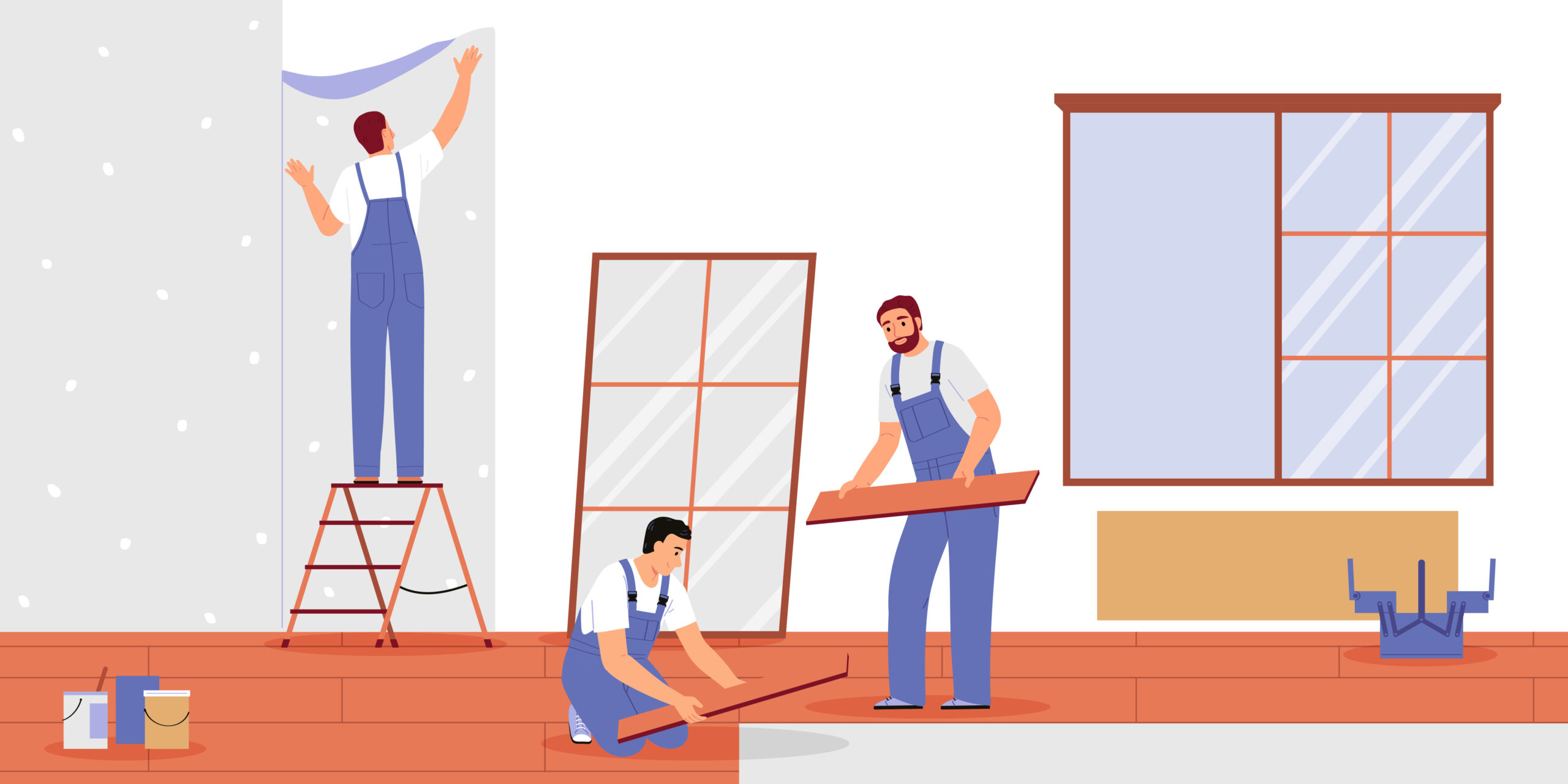
Interior finishing often gets judged at handover. The walls look smooth. Ceilings appear clean. Paint is even. What matters more is how those surfaces perform months and years later.
Cracks, shadow lines, and movement marks rarely come from paint alone. They usually trace back to decisions made earlier in the finishing process. Planning is what separates interiors that age quietly from those that demand repeated repair.
This is where the approach taken by Above Board Interiors stands out. Interior finishing is treated as a performance system rather than a cosmetic layer.
Starting With the Building, Not the Finish
Every interior behaves differently. Framing materials, moisture levels, temperature changes, and building age all influence how linings move over time.
Rather than starting with how a space should look, effective planning begins with how the building will behave. Timber movement, seasonal humidity, and load changes are considered before compounds are applied.
This mindset reduces stress at joints and corners and helps surfaces remain stable as the structure settles and adapts.
Preparation as a Structural Step
Preparation is often underestimated because it disappears once work is complete. In reality, it is the foundation of long term performance.
Boards are checked for damage, dust is removed, and fixings are set correctly. These steps allow compounds to bond evenly and cure as intended. Skipping preparation may save time initially but increases the likelihood of failure later.
Strong finishes rely on what happens before the first coat ever goes on.
Managing Joints to Handle Movement
Joints are where movement concentrates. Planning focuses on reinforcing these areas so they absorb stress without telegraphing through the surface.
Correct taping methods, consistent compound thickness, and controlled drying times all play a role. The aim is not to create a rigid surface but one that flexes subtly with the building.
This approach is especially important in modern open plan layouts where long walls and ceilings amplify even minor imperfections.
Lighting Considered Early
Light reveals everything. Natural light from windows and artificial lighting both expose flaws that are invisible under work lights.
Planning includes checking surfaces under realistic lighting conditions. Walls are viewed from multiple angles and distances to ensure joints disappear rather than catch the eye.
This attention to light control is what keeps finished spaces looking clean throughout the day, not just at handover.
Aligning Finishing With Paint Performance
Interior finishing and painting are closely linked. High sheen and dark paint colours magnify even the smallest surface variation.
Planning takes final paint systems into account so the level of finish matches what the paint will reveal. This coordination prevents situations where good work looks poor simply because the surface and paint were mismatched.
When finishing is aligned with the end use of a space, results remain consistent over time.
Sequencing Work to Protect Surfaces

Interior finishes are vulnerable after completion. Trades that follow can damage corners, mark walls, or compromise surfaces before paint is applied.
Careful sequencing reduces this risk. Finishing is timed to avoid unnecessary contact, and protection is used where needed. This prevents rework and preserves surface integrity through to project completion.
Well sequenced projects finish once, not repeatedly.
Performance Over Speed
Fast finishes often look acceptable initially but fail under real conditions. Rushed drying, heavy sanding, or inconsistent application all shorten the lifespan of interior linings.
Planning prioritises curing time and consistency over speed. This allows materials to perform as designed rather than being forced to meet tight deadlines.
The result is fewer call backs and interiors that maintain their quality long after occupants move in.
Understanding Standards and Expectations
Interior linings are expected to meet durability and performance standards, not just visual ones. New Zealand building guidance outlines expectations for moisture management and internal finishes that support long term performance.
Reliable reference material is available through government building resources, which explain how interior systems should function within the wider building envelope.
Practical Experience Applied to Real Projects
Planning only works when it is grounded in real site experience. Knowing how materials behave, how buildings move, and where problems usually emerge allows finishing decisions to be made with confidence.
It reflects an emphasis on finishes that last, not just those that look good on day one.
Final Thoughts
Interior finishing performs best when it is planned as a system rather than a surface treatment. Preparation, sequencing, lighting awareness, and material behaviour all shape how spaces age.
When finishing decisions are guided by long term performance, interiors remain clean, stable, and visually consistent. That is what separates short lived results from work that continues to hold its quality years after completion.

