

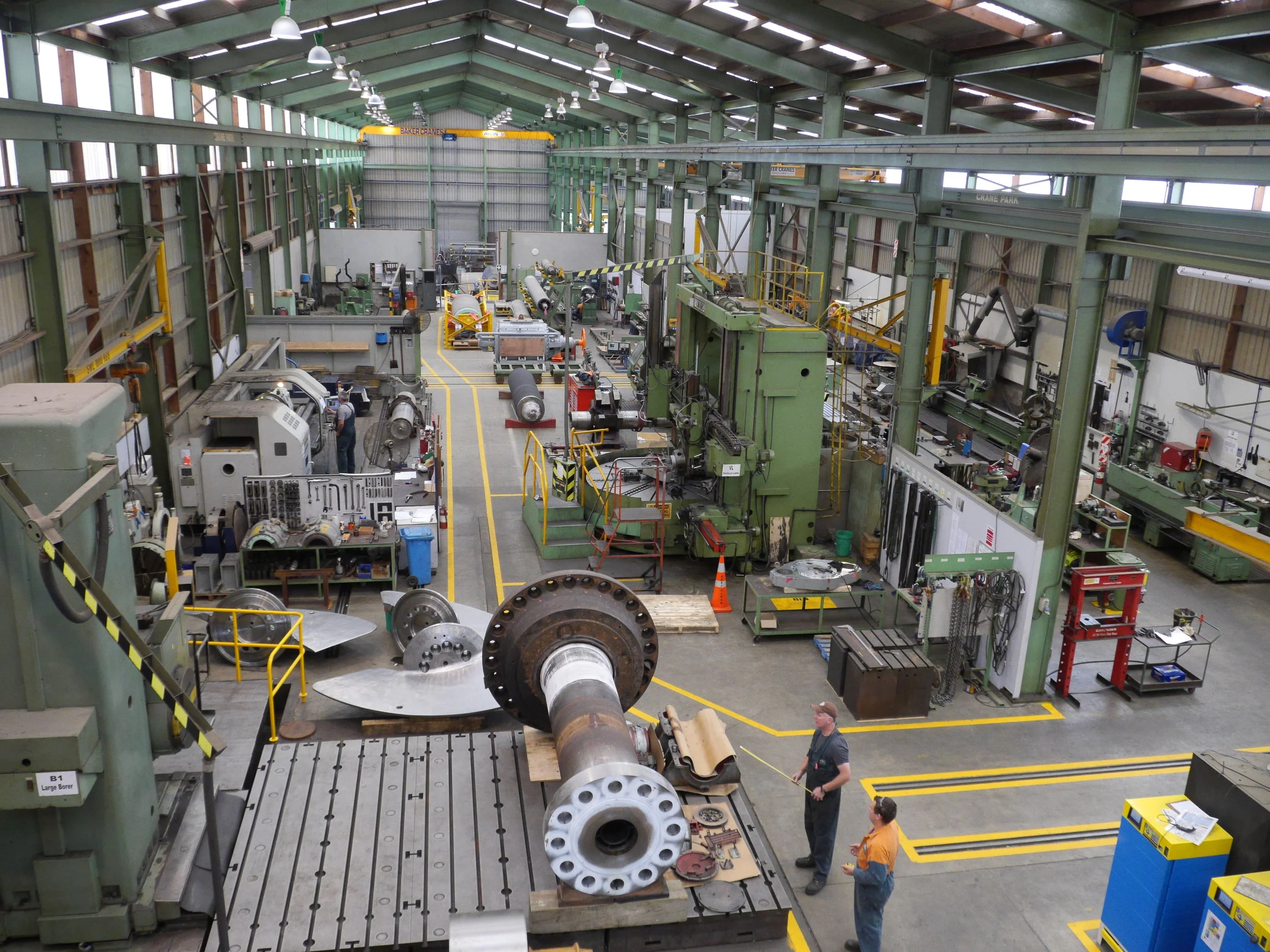
Mechanical engineering has always been a practical profession. Machines, systems, and equipment operate in real conditions where wear, heat, time, and human use affect performance every day. In 2026, this reality is shaping how employers judge readiness. Businesses increasingly look beyond qualifications and focus on whether someone can step into a working environment and contribute safely and effectively.
Traditional study pathways still produce knowledgeable graduates, but many employers now recognise a familiar pattern. New hires often understand theory well yet need extended time to adjust to tools, processes, and site expectations. Apprentice training has gained momentum because it reduces that adjustment period and produces engineers who are comfortable with real work much earlier.
Learning Happens Faster in Real Environments
Mechanical engineering skills develop through exposure and repetition. Diagnosing faults, aligning components, or maintaining complex machinery cannot be mastered through observation alone. These tasks require hands-on involvement and guidance over time.
Apprentice training places learners inside workshops and industrial settings from the beginning. Apprentices assist with real jobs under supervision, gradually taking on more responsibility as competence grows. Theory is introduced alongside practical tasks, not years before them. This sequence helps learners understand why concepts matter, not just how they work on paper.
As a result, learning becomes contextual and durable rather than abstract.
Practical Judgment Develops Early
One of the clearest differences between apprentices and classroom-trained graduates is judgment. Mechanical engineering rarely presents perfect scenarios. Equipment behaves unpredictably, time is limited, and safety decisions must be made quickly.
Apprentices develop judgment by facing real situations, including:
- Equipment faults that do not match manuals
- Maintenance decisions under production pressure
- Safety procedures applied in busy environments
- Communication with supervisors and team members
These experiences shape confidence and decision-making. Graduates from study-first pathways often need years of work exposure to build the same instincts.
Why Employers Prefer Apprentice Trained Engineers
Employers value reliability. Apprentice trained engineers tend to understand workplace expectations before they are fully qualified. They are familiar with safety protocols, reporting structures, and the pace of real operations.
This leads to practical benefits:
- Reduced onboarding time
- Lower supervision demands
- Fewer early-stage mistakes
It also improves retention. Engineers who learn within real workplaces are more likely to stay engaged and progress steadily.
The Importance of Structured Training
Between 200 and 500 words into discussions about workforce readiness, one point consistently emerges. Experience alone is not enough. It must be structured, assessed, and aligned with industry standards.
This is where Apprentice Training New Zealand plays an important role. Training follows a clear framework rather than relying on chance exposure. Apprentices build core mechanical competencies while meeting national assessment requirements, ensuring consistency across different workplaces.
You can see how this approach applies in practice through recognised mechanical engineering apprenticeship pathways that combine on-the-job learning with formal training.
This structure ensures apprentices are not just busy, but progressing with purpose.
Confidence Comes From Repetition
Confidence in engineering is earned through repetition. Apprentice training provides daily opportunities to practise skills under guidance. Tasks that feel unfamiliar at first become routine through use.
Over time, apprentices repeatedly:
- Set up and maintain equipment
- Apply safety procedures until they become automatic
- Communicate clearly with teams and supervisors
By the time they qualify, many of these behaviours are second nature. This is why apprentice trained engineers often appear settled and capable early in their careers.
Financial Stability Supports Better Outcomes
Another factor that accelerates readiness is financial stability. Apprentices earn while they train, reducing the stress associated with debt and part-time work.
This stability allows apprentices to focus on learning rather than balancing competing pressures. It also builds professional habits early, including accountability and time management. These habits carry forward into long-term career performance.
Industry Demand Confirms the Shift
Mechanical engineering skills remain essential across New Zealand. Manufacturing, infrastructure, transport, and energy sectors all rely on people who can maintain and improve physical systems.
Workforce guidance from the Ministry of Business, Innovation and Employment continues to highlight trade and apprentice pathways as critical to meeting future skill needs. This reinforces that practical engineering skills are not temporary trends but long-term requirements.
Where Traditional Study Still Fits
Traditional study still plays an important role, particularly in design-focused or analytical engineering careers. However, these roles represent only part of the industry.
For hands-on mechanical work, apprentice training provides context that theory alone cannot. Many professionals combine both over time, starting with experience and adding further study when it supports clear career goals.
Final Words
Apprentice training builds job-ready engineers faster because learning happens where the work is done. Real responsibility, guided repetition, and structured progression develop confidence and capability early. In a field where performance and safety matter, this pathway continues to deliver engineers who are ready when they are needed.

