

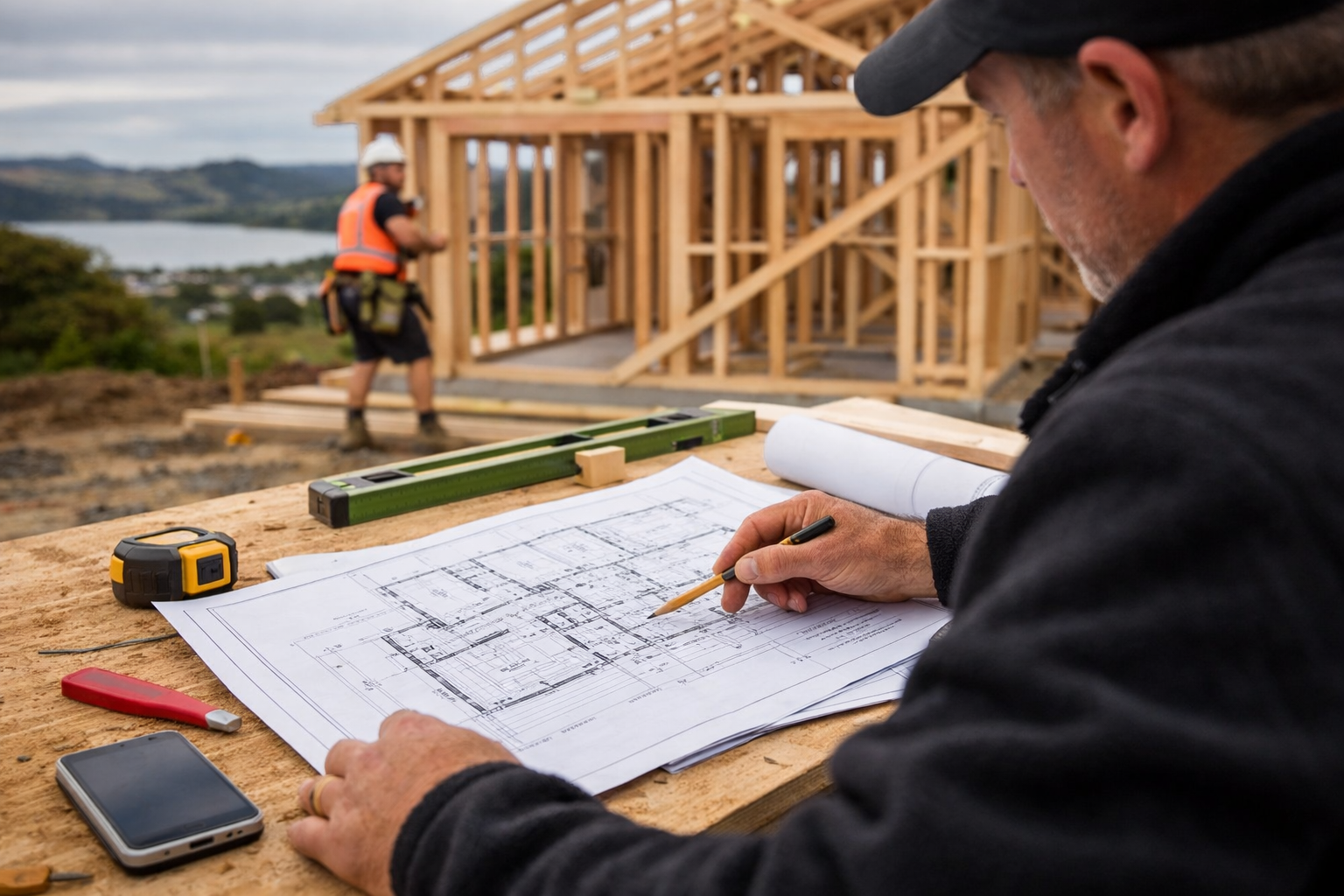
For many New Zealand homeowners, building or renovating feels exciting at first until unexpected costs begin to appear. A delayed consent, a material change, or an overlooked site condition can quickly turn confidence into concern. While construction will always involve variables, most major surprises are not unavoidable. They are usually the result of planning gaps that surface too late.
As build costs rise and regulatory standards become more detailed, careful preparation has become one of the strongest safeguards homeowners have. Thoughtful planning does not slow a project down. In practice, it often prevents the disruptions that cause delays and budget blowouts later.
Where Most Building Surprises Actually Come From
Unexpected costs rarely stem from a single mistake. More often, they emerge when several small assumptions stack up. Incomplete drawings, loosely defined scopes, or unclear inclusions create blind spots. Once construction begins, those blind spots become real expenses.
In New Zealand, additional pressures intensify this risk. Ground conditions vary widely, council requirements differ by region, and weather exposure can affect timelines. When these factors are not properly addressed early, even well-intentioned projects can drift off course.
Surprises feel sudden, but they are usually predictable in hindsight.
Planning as Prevention, Not Paperwork
Effective planning works as a form of prevention. Builders who focus on early clarity, such as Bradley & urch Building, approach projects by resolving uncertainty before it reaches the site. Instead of reacting to problems, they aim to identify them during the planning stage.
This process involves more than approving floor plans. It includes reviewing specifications in detail, confirming access and site constraints, checking material availability, and aligning budgets with realistic outcomes. When decisions are made early, the margin for error narrows significantly.
Importantly, thoughtful planning supports honest conversations. If a design choice introduces cost or compliance implications, it is addressed upfront rather than discovered mid-build. Homeowners then retain control over decisions instead of being forced into reactive compromises.
Why Late Decisions Are So Expensive
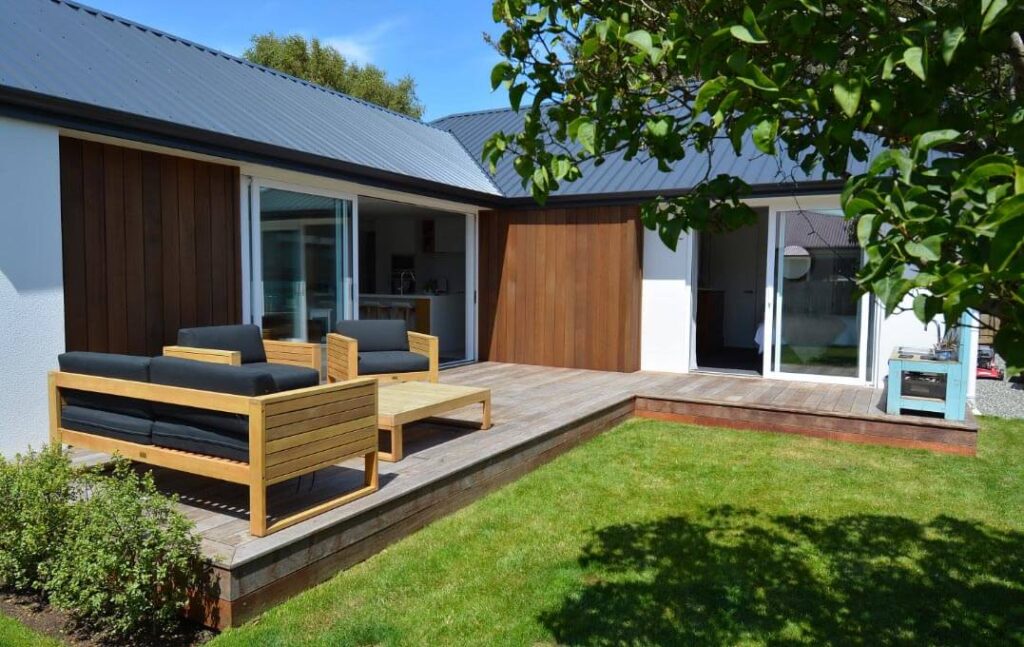
One of the most common cost drivers in residential construction is delayed decision-making. Choosing finishes after installation has begun, altering layouts mid-build, or revising specifications late often leads to wasted labour and materials.
Early planning allows selections to be finalised while changes are still inexpensive. It also gives trades clear direction, reducing the likelihood of rework. Over the lifespan of a project, these efficiencies compound saving both time and money.
There is also a psychological benefit. When major choices are settled early, homeowners experience less fatigue and stress as the build progresses.
Coordination Matters More Than Speed
Fast builds are often celebrated, but speed alone does not guarantee quality. In fact, poorly sequenced work frequently leads to mistakes. Thoughtful planning prioritises coordination ensuring each trade arrives when the site is genuinely ready.
This is particularly important in New Zealand, where subcontractor availability can shift unexpectedly. A well-structured plan accommodates these changes without forcing rushed workmanship. When tasks are sequenced properly, inspections, installations, and sign-offs occur smoothly rather than being squeezed into tight windows.
Regulatory Planning Reduces Rework
Building regulations in New Zealand continue to evolve, particularly around insulation, moisture control, and energy efficiency. Planning that accounts for these requirements early reduces the risk of failed inspections or last-minute adjustments.
Homeowners benefit from fewer compliance surprises and clearer documentation. For up-to-date guidance on building standards and consent processes, the Ministry of Business, Innovation and Employment provides authoritative resources.
Predictability Is the Real Outcome
When planning is done well, the build feels calmer. Costs are easier to track because allowances are realistic. Timelines are more reliable because dependencies have been considered. Communication improves because expectations are aligned.
Instead of reacting to issues, builders and homeowners move forward with shared understanding. That predictability often becomes the most valuable outcome not perfection, but confidence that the process is under control.
Final Thoughts
Costly building surprises rarely appear without warning. In most cases, they are the delayed result of decisions that were postponed or details that were never fully explored. Thoughtful planning does not remove every challenge, but it significantly reduces their impact.
In today’s New Zealand construction environment, successful projects are shaped less by speed and more by preparation. When risks are addressed early, homeowners gain clarity, control, and a far smoother building experience.