
Have you ever heard the rumor that the 1982 movie Poltergeist used real skeletons as props? It’s a chilling claim that has sparked curiosity and debate for decades.
As one of the most memorable horror films in cinema history, Poltergeist left audiences terrified of the supernatural—and now, some believe that it was the real human skeletons used in the making of the film that made the horror even more unsettling.
So, is there any truth to this spine-tingling rumor? Let’s explore the facts.
Why Do People Believe the Skeleton Rumor?
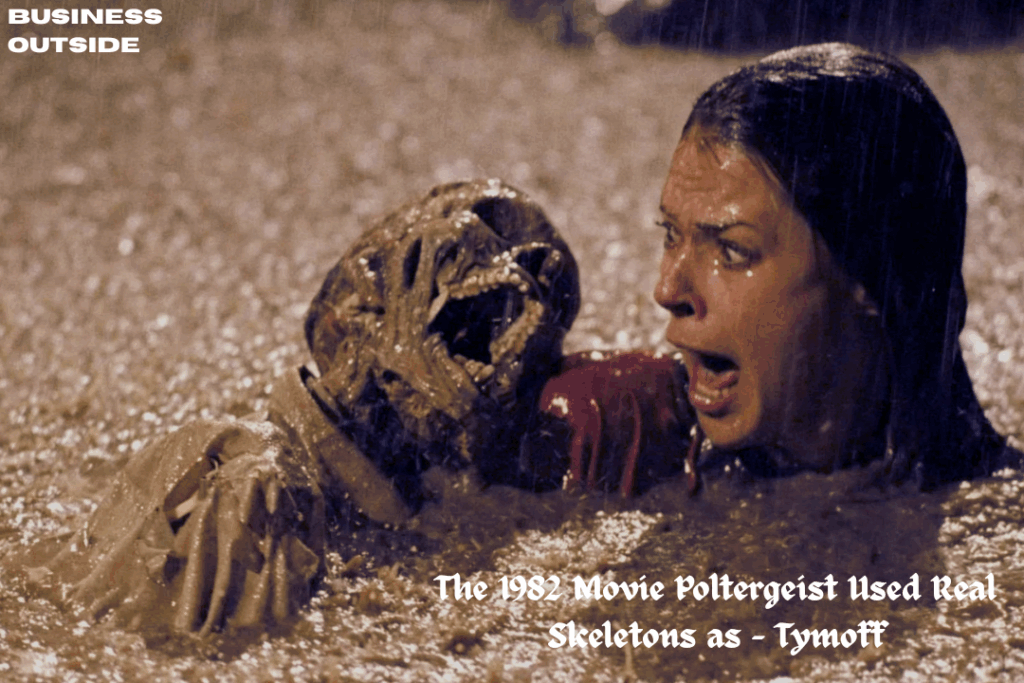
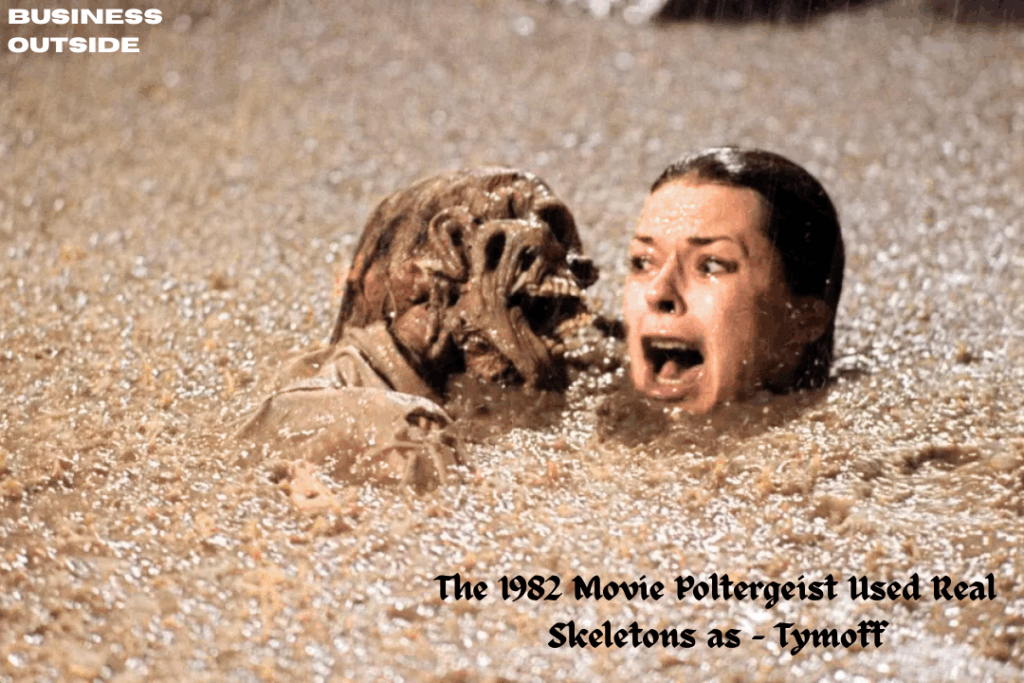
If you’ve ever seen Poltergeist, you know that one of its most iconic scenes involves a swimming pool full of floating skeletons. When the poltergeist forces the skeletons to rise from the water, the scene becomes a terrifying spectacle.
But here’s the big question: Did Poltergeist really use real human skeletons?
For years, fans and even some of the movie’s cast members have been haunted by the idea that these skeletons weren’t just props.
Instead, they were real human remains. But how did such a bizarre rumor start? And why has it lingered for so long?
The Truth About the Skeletons in Poltergeist
Yes, the skeletons used in Poltergeist were real human remains—and it’s not a stunt that was planned for the sake of shock value. Here’s how it happened:
In the early 1980s, it wasn’t uncommon for filmmakers to use real human bones in movies, especially for scenes requiring a large number of skeletons. According to crew members and reports, the filmmakers had purchased skeletons from a supplier specializing in human remains for scientific purposes.
They were assured the skeletons were legally sourced. However, many were shocked to later discover that these bones were not props—they were genuine human skeletons.
Imagine that: real skeletons were part of one of the most terrifying scenes in film history, and many of the cast members didn’t even know!
But Why Did They Use Real Skeletons?
It all comes down to one simple thing: budget and realism. Real human skeletons were often more affordable than creating fake ones. The filmmakers wanted the most realistic horror experience for the audience, and using real bones added an element of authenticity.
While it may sound unsettling today, back then it wasn’t uncommon for low-budget films to use human remains, especially when they were sourced from legal and reputable suppliers.
Does this make it right? That’s the question many people continue to ask, and it raises important ethical concerns. Could the filmmakers have achieved the same eerie effect with fake skeletons?
Absolutely. But back in the early ’80s, the choice seemed like a practical one—though one that certainly haunts the film’s legacy now.
The Impact on the Cast and Crew: Shock and Horror
Imagine being part of a film and only finding out later that the props you’d been working with were real human skeletons. That’s exactly what happened to several cast members, including JoBeth Williams, who played the movie’s lead role.
She later revealed her shock and disbelief when she discovered that the skeletons used in the pool scene weren’t just fake props.
Some of the crew members were equally horrified. The fact that many actors and filmmakers were unaware of the true nature of these props only added to the eerie reputation that Poltergeist developed over the years.
Did the Cast React Negatively?
Absolutely! Imagine being in a scene surrounded by skeletons and later realizing they were real. For many, this was a disturbing revelation that added an uncomfortable layer to the production of the film.
While the filmmakers likely did not intend for the actors to be disturbed, the discovery that the skeletons were real human remains cast a shadow over the movie’s production.
Did the cast members feel deceived? It’s clear that many were upset once they learned the truth. For a film built around supernatural horror, this was an added level of real-world terror.
The Poltergeist Curse: Fact or Fiction?
The controversy surrounding the real skeletons is often intertwined with what’s known as the Poltergeist curse. This so-called curse is based on the untimely deaths of several cast members, including Heather O’Rourke, who tragically passed away at a young age.
Many fans and conspiracy theorists have connected these deaths to the use of real skeletons on set, suggesting that some supernatural force was behind the tragedies.
But is the curse real? While it’s tempting to think that the skeletons are to blame for these tragedies, most experts agree that the so-called curse is likely a product of coincidence and urban legend rather than a supernatural force.
So, while the use of real skeletons in Poltergeist is undeniably eerie, it’s important to separate the chilling facts from the fictional myths that have emerged around the film’s production.
Ethical Considerations: The Legacy of Using Real Skeletons
Fast forward to today, and the use of real human remains in film would undoubtedly be met with strong ethical objections. Filmmakers are now far more cautious when it comes to using such sensitive materials.
The horror genre, however, often leans into shocking imagery and real-world discomfort to create lasting effects. The decision to use real skeletons in Poltergeist was not made with ill intent, but it opens up larger discussions about ethics in film production.
Would the film have been less effective without real human bones? Perhaps, but there are always other ways to create chilling effects without crossing ethical boundaries. Today, CGI and advanced prop-making techniques make it easier to create lifelike skeletons without resorting to the use of real human remains.
The Legacy of Poltergeist: A Film Haunted by Its Own Secrets
Despite the controversial use of real skeletons, Poltergeist remains a timeless horror classic. It’s a film that continues to make audiences scream, shiver, and question the boundaries of horror filmmaking.
The revelation about real skeletons adds an extra layer of eeriness to an already unsettling movie, and it’s a fact that fans still talk about today.
So, next time you watch Poltergeist, take a moment to think about the eerie legacy of real human bones lurking beneath the surface. The skeletons in the pool? They’re more than just props—they’re part of a story that goes beyond the supernatural, blending film history, ethical dilemmas, and real-life mystery.
Conclusion: The 1982 Movie Poltergeist Used Real Skeletons as – Tymoff
Yes, it’s true: the 1982 movie Poltergeist used real skeletons as props. While it may seem like something straight out of a horror movie itself, the use of these human remains was a product of the filmmaking practices of the time.
The ethical considerations of using real skeletons may have been overlooked back then, but today, it adds another chilling layer to the movie’s already haunting legacy.
What do you think? Does knowing the truth about the skeletons change your view of Poltergeist? Does it make the film even more terrifying or just disturbingly fascinating? One thing’s for sure: the skeletons will continue to haunt our memories long after the credits roll.